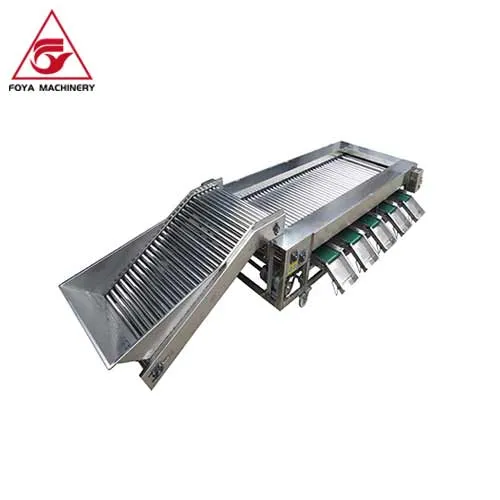
A brush vegetable washer is the standard cleaning machine for root and tuber crops in farms, packing sheds and food processing lines. Whether you process carrots, potatoes, ginger, sweet potatoes, or radishes, removing mud and surface residue fast and gently is the difference between a market-ready product and one that fails inspection. This guide explains how brush washers work, the main types, cleaning capacity and brush specifications, and what a brush vegetable washer costs in 2026.
How a Brush Vegetable Washer Works
A brush washer uses a row of rotating nylon brush rolls arranged along the bottom of a washing trough. Produce is fed at one end and moves along the brushes as they rotate. The flexible bristles scrub embedded soil from the irregular surface of the vegetables while high-pressure water sprays from above rinse away loosened dirt and residue.
The result is a fast, gentle cleaning action. Unlike bubble washers that rely on water turbulence, brush washers physically reach into the skin crevices of tubers and roots, lifting dirt that turbulent water alone would leave behind. The rotation speed and brush firmness are tuned so the machine scrubs thoroughly without bruising the produce.
Key components include:
- Brush roll assembly — rotating nylon bristle rollers that scrub the surface
- High-pressure spray bar — water jets that rinse loosened soil away
- Stainless steel washing trough — food-grade, corrosion-resistant body
- Conveying drive — motor and chain system that moves produce through the machine
- Water tank and drainage — for water recycling and easy cleaning
- Variable speed control — to adjust dwell time for different crops
Single Roll vs Multi-Row Brush Washers
| Feature | Small / Single-Row | Medium / Multi-Row | Industrial / Full Line |
|---|---|---|---|
| Brush Rolls | 1-3 | 5-8 | 10+ |
| Capacity | 100-500 kg/h | 500-2000 kg/h | 2000-5000 kg/h |
| Motor Power | 0.75-2.2 kW | 2.2-4 kW | 5.5-7.5 kW |
| Best For | Farm stalls, small restaurants, roadside stands | Packing sheds, market suppliers | Food processing plants, cooperatives |
Choose the number of brush rows based on how dirty your crop is. Lightly soiled washed produce may only need a short single-stage machine. Heavily soiled roots harvested from wet fields benefit from a longer multi-row line with extra brushing stages, which lift stubborn mud without requiring a faster (bruising) brush speed.
Cleaning Capacity and Throughput
Capacity is the single most important selection number. It tells you how many kilograms of vegetables the machine can clean per hour at a normal brush speed. Measure against your peak processing demand, not your average — if a washing line can't keep up during harvest season, it becomes the bottleneck for your whole operation.
| Washer Class | Capacity | Feeding | Typical Use |
|---|---|---|---|
| Compact | 100-300 kg/h | Manual | Small farms, restaurants |
| Entry production | 500-800 kg/h | Manual / hopper | Packing sheds |
| Mid production | 1000-2000 kg/h | Belt / hopper | Suppliers, cooperatives |
| Industrial line | 2000-5000 kg/h | Full automated line | Processing plants |
A good rule: choose a washer whose nominal capacity is about 20-30% above your expected peak throughput. This headroom handles feed surges and lets you reduce brush speed for delicate crops without stalling production.
Brush Specifications and Wear Parts
| Component | Recommended Spec | Why It Matters |
|---|---|---|
| Brush bristle material | Food-grade nylon | Firm enough to scrub, safe for food contact |
| Brush roll diameter | 100-200 mm | Larger rolls give more scrubbing area |
| Corrosion material | 304 stainless steel | Prevents rust in wet, food-contact service |
| Water tank | Water recycling capable | Cuts water use and running cost |
| Speed control | Variable | Adjust for different crops and soil load |
Brush rolls are the main wearing part of any brush washer. Confirm spare roll availability and pricing before you buy — a machine with hard-to-source replacement brushes is a poor long-term investment no matter how low the upfront price. Sealed, water-protected bearings and an enclosed motor also significantly extend service life in wet operating conditions.
Brush Washer vs Bubble Washer
| Criterion | Brush Washer | Bubble Washer |
|---|---|---|
| Best Produce | Roots, tubers, ginger, potatoes | Leafy greens, fruit, soft skin |
| Cleaning Action | Physical brushing | Air bubbles + water turbulence |
| Soil Removal | Heavy mud - excellent | Moderate - good |
| Gentleness | Good (tuned speed) | Very good |
| Typical Line | Secondary scrub | Primary pre-wash |
For a full washing line many processors run a bubble pre-wash to lift loose dirt, followed by a brush washer to finish the scrub. For carrot, potato and ginger processors a dedicated brush vegetable washer is often the whole system, since physical brushing is exactly what these crops need.
2026 Brush Vegetable Washer Price Guide
| Washer Class | Capacity | Brush Rows | Price Range (USD) |
|---|---|---|---|
| Compact single-roll | 100-500 kg/h | 1-3 | $600 - $2,500 |
| Medium multi-roll | 500-1500 kg/h | 5-8 | $2,500 - $6,000 |
| Industrial multi-row | 2000-5000 kg/h | 10+ | $6,000 - $15,000 |
Price scales with stainless steel grade, number of brush rolls, motor power, and whether the machine includes a bubble pre-washer and water recycling system. FOYA brush vegetable washers use food-grade 304 stainless steel and replaceable nylon brush rolls, with factory-direct pricing that includes international shipping arrangements and technical support.
Frequently Asked Questions
What is a brush vegetable washer and how does it work?
How do I choose the right size brush vegetable washer?
What is the difference between a brush washer and a bubble washer?
What materials should a vegetable washing machine use?
How much does a brush vegetable washer cost in 2026?
How do I clean and maintain a brush vegetable washer?
Ready to Buy a Brush Vegetable Washer?
FOYA Machinery offers brush vegetable washers from compact single-roll machines to industrial 5000 kg/h full washing lines, built for reliable, food-safe cleaning of root and tuber crops. Every model uses 304 stainless steel construction and replaceable nylon brush rolls. Contact our team for help sizing the right washer for your crop, soil conditions, and target output.
Also explore: Brush Vegetable Washer product page | Fruit Vegetable Washer | Fruit Vegetable Grader