🌽 Understanding the Problem
Poor corn emergence after using a cone planter is a common frustration among farmers. Days after planting, only patchy emergence appears. This problem can stem from multiple factors — from mechanical issues to environmental conditions.
🔧 Mechanical Issues with the Cone Planter
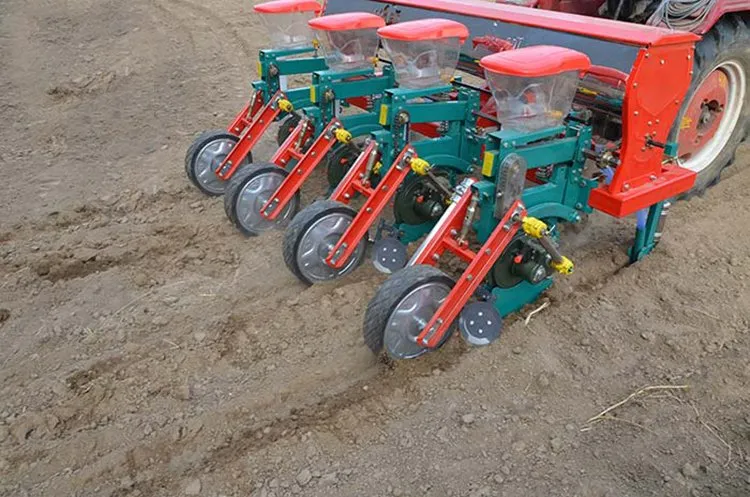
The cone planter's metering mechanism must be calibrated correctly. Common issues include: worn cone surface causing seed slippage, incorrect cone speed for the seed size, blocked seed tubes, and uneven seed depth due to faulty coulters. Check your planter manual for recommended cone settings.
🌡️ Soil Temperature and Moisture
Corn requires a minimum soil temperature of 10°C at planting depth for germination. Planting in cold, wet soil will cause seeds to rot before they can germinate. Use a soil thermometer to check temperature at 5cm depth. Excessively dry soil also prevents the water absorption needed to trigger germination.
🐛 Pest and Disease Pressure
Seed corn maggot, wireworm, and cutworm can damage planted seeds before or during germination. Fungal diseases like Pythium and Fusarium cause seed rot and damping-off. Using treated seed with fungicide and insecticide is the most effective prevention.
📏 Planting Depth and Seed-to-Soil Contact
Corn should be planted 3-5cm deep in most soil types. Planting too deep (>7cm) delays emergence, while too shallow (<2cm) exposes seeds to drying and bird predation. Ensure good seed-to-soil contact — the cone planter's press wheel should be properly adjusted.
✅ Solutions and Prevention
1) Calibrate your cone planter for each seed lot. 2) Plant when soil temperature is consistently above 12°C. 3) Use high-quality treated seed. 4) Ensure proper seed depth (3-5cm). 5) Check press wheel pressure. 6) Rotate crops to reduce pest pressure. 7) Conduct a germination test before planting if seed quality is questionable.