It is 6 a.m., the dew is still on the stubble, and your diesel engine won't start. Every minute of lost cranking is a minute closer to a missed window of good weather. The good news: a diesel that refuses to fire is usually a simple list of suspects, and most of them are fixable on-farm in under an hour without calling a mechanic.
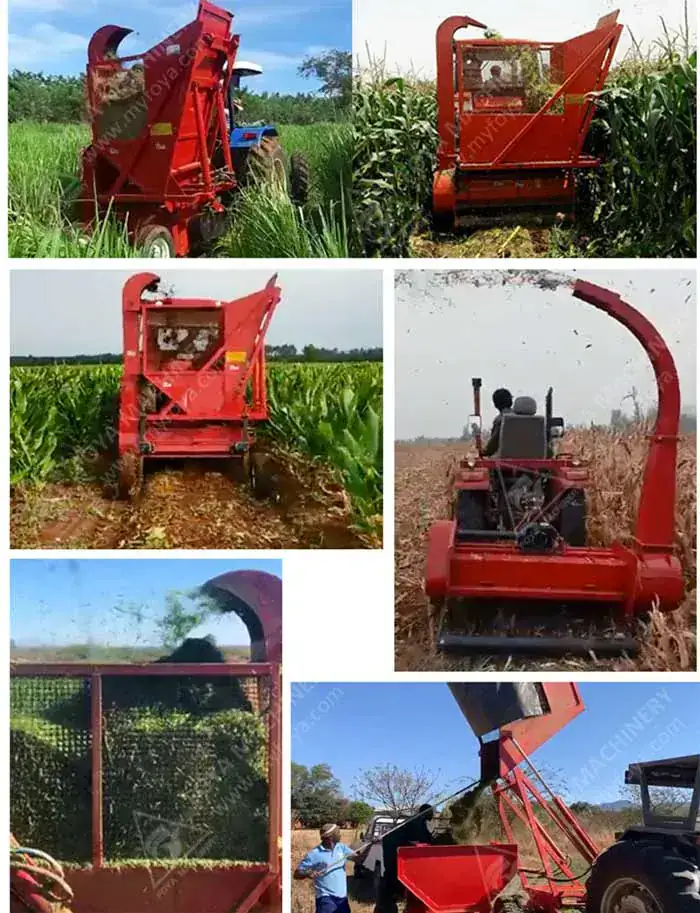
Diesels are used by most of the machinery on a modern farm — the walking tractor, the mini combine harvester, and every self-propelled silage harvester. Because a diesel has no spark plug, it relies on high compression plus properly delivered fuel to ignite. When it won't start, you work through the four pillars in order: fuel, air, compression, and heat (glow plugs).
The 5-Point First-Aid Checklist (Do this first)
Before you start pulling parts, run this five-point sweep. It clears the most common causes and halves your diagnostic time.
| Check | What You Are Looking For | Quick Fix |
|---|---|---|
| Fuel level & shut-off | Is there fuel, and is the shut-off valve open? | Top up; open the valve |
| Battery & cranking | Does the starter turn briskly? Are clamps tight and clean? | Charge or jump; clean the terminals |
| Air filter | Blocked inlet or heavily choked filter element? | Clear debris; clean or replace |
| Fuel filter / water separator | Water or sludge in the bowl? | Drain water; change the filter |
| Glow plugs (cold start) | Full pre-heat cycle completed? | Pre-heat longer; check the relay |
If you have done all five and it still won't start, move on to the symptom-by-symptom diagnosis below.
Symptom 1 — The Engine Won't Crank At All
Symptom: You turn the key and nothing happens, or you hear a single click and then silence.
Causes and fixes:
- Flat battery or bad connection. Diesels need a strong cranking speed to build compression. Test voltage; a fully charged 12 V battery reads about 12.6 V with the engine off and stays above 10 V while cranking. Clean and tighten both clamps, including the frame earth strap.
- Starter motor or solenoid. A click without cranking usually means the solenoid is engaging but the motor is not turning — a worn starter or a dirty solenoid contact. Tap the starter lightly and retry; plan a replacement.
- Gearbox in gear or safety switch. Many tractors and self-propelled machines will not crank unless the gear selector is in neutral and the clutch/seat safety switch is made.
- Engine seized or locked. If the crankshaft will not turn by hand with the decompression lever open, stop — do not keep cranking. Investigate for hydrolock or a seized bearing rather than risking damage.
Symptom 2 — Cranks But Won't Fire (No Smoke or White Smoke)
Symptom: The starter spins the engine, but it never catches. White smoke comes out of the exhaust while cranking.
White smoke during cranking tells you fuel is reaching the cylinders but not igniting. This narrows the problem to delivery, heat, or compression.
- Air in the fuel system. After running out of fuel, or after a filter change, air pockets stop fuel delivery. Loosen the injector pipes and crank until fuel flows with no bubbles, then retighten. This 'bleeding' step is the fix for most fuel-starved diesels.
- Blocked fuel filter or restricted line. A clogged filter or a pinched/blocked pick-up line in the tank starves the pump. Change the filter and blow the line clear.
- Weak lift or injection pump. If bleeding and filter changes do not help, test for fuel delivery at the injectors. No spray means a pump fault, which usually needs a specialist.
- Low compression. Worn rings, burnt valves, or a loose pre-combustion chamber reduce the heat needed for auto-ignition. A compression test (most engines need about 20–30 bar cranking pressure) confirms it.
Symptom 3 — White or Grey Smoke, Hard Starting When Cold
Symptom: The engine only starts after long cranking, especially on cold mornings, often with white/grey smoke.
- Glow plugs not heating. Check the glow-plug warning lamp; if it goes out in under a second, suspect the relay or plugs. Each plug should draw current — test with a test lamp or by measuring resistance.
- Incorrect engine oil or old fuel. Thick oil increases drag at start-up. Use the manufacturer's winter-grade oil and fresh, winter-blended diesel.
- Injectors dripping or badly atomised. Poorly atomised fuel will not ignite at low temperature. A specialist injector test is the way to confirm.
Symptom 4 — Cranks With Black Smoke But Won't Start
Symptom: Black smoke pours out while you crank, but the engine still won't fire.
Black smoke means there is far too much fuel and not enough air to burn it — the engine is over-fuelling. Check the air filter first; a choked filter is the classic cause. If the filter is clean, suspect a faulty injection that is dribbling unburned fuel, or worn injector pump delivery, which again points to a specialist.
Symptom 5 — Hot Engine Won't Restart (After Parked or Stalled)
Symptom: The engine ran fine, was stopped for twenty minutes, and now refuses to restart, sometimes with white smoke.
- Vapour lock / aeration in the fuel. Hot fuel near the engine can form vapour that stops the pump. Bleed the system as described above.
- Over-heated starter. Repeated hot cranking overheats the starter. Let it cool, then retry.
- Fuel going hot. In very hot climates, check whether the fuel tank vent or return line is blocked, which pressurises the system.
Diesel Engine Won't Start — Diagnosis Table
Use this table as a quick reference when you are in the field.
| Symptom | Most Likely Cause | Action |
|---|---|---|
| Nothing happens / single click | Flat battery, bad connection, starter, safety switch | Charge, clean, or replace; check interlocks |
| Cranks, no smoke | No fuel delivery, blocked filter, air lock | Bleed fuel system; change filter; check pump |
| Cranks, white smoke | Cold-start, glow plugs, low compression | Pre-heat; test plugs; compression test |
| Cranks, black smoke | Too much fuel, not enough air | Replace air filter; check injectors |
| Cranks, blue smoke | Oil burning past rings or seals | Oil consumption test; mechanical repair |
| Starts hot, restarts poorly | Vapour lock, aeration, hot starter | Bleed; cool starter; check tank vent |
Preventive Habits That Stop No-Start Faults
Almost every no-start fault can be prevented with disciplined basic maintenance:
- Change the fuel filter and air filter on the schedule in your manual — do not wait for a fault.
- Keep the tank reasonably full and always use a clean fuel jug or bowser, to limit condensation and dirt.
- Drain the water separator regularly; diesel algae and water are silent killers.
- Keep battery terminals tight, greased, and corrosion-free.
- Run the glow plugs through a full pre-heat every cold start, not a rushed half-second.
- Store the machine under cover in winter and consider an engine heater in deep-freeze regions.
Frequently Asked Questions
What to check first when a diesel engine won't start?
Check in this order: fuel level and the shut-off valve, battery charge and starter cranking speed, air filter and fuel filter blockage, and fuel delivery to the injectors. More than 80% of 'won't start' cases are traced to fuel starvation, a flat battery, or a blocked filter rather than the engine itself.
Why does my diesel engine crank but won't start?
If the engine turns over but will not fire, the problem is usually fuel, air, or compression rather than the starter. Prime the fuel system to bleed air, check the filters and lift pump, confirm the injectors spray, and verify compression. White smoke while cranking means fuel is present but not igniting — suspect glow plugs, injector timing, or low compression.
Why won't my diesel start on a cold morning?
Cold diesel thickens and can wax, and the chamber loses heat quickly in winter. Use the glow plugs for the full pre-heat time, keep the battery fully charged (cold batteries lose up to 40% of cranking power), and use winter-grade diesel or an engine heater where temperatures drop below freezing.
White, black or blue smoke when trying to start — what does it mean?
White smoke means unburnt fuel or water, typically a cold-start, injector, or compression problem. Black smoke means too much fuel or too little air, usually a clogged air filter. Blue smoke indicates oil burning past worn rings or valve seals before the engine fires.
How can I prevent my farm diesel engine from failing to start?
Change fuel and air filters on schedule, keep the tank clean and topped up to avoid condensation, use clean fuel with the right cetane rating, keep battery terminals tight and corrosion-free, and drain the fuel/water separator regularly. These simple checks prevent the vast majority of no-start faults.
Do I need a mechanic for a diesel that won't start?
Most no-start faults — flat battery, air in fuel lines, blocked filters, and loose connections — can be fixed on-farm in under an hour with a basic toolkit. Call a mechanic only if the engine still will not fire after fuel, air, compression, and glow plugs are all verified, or if you suspect injector or internal pump damage.
Need Help With a Diesel-Powered Machine?
Whether you run a diesel walking tractor, a compact combine, or a high-capacity silage harvester, FOYA Machinery supports the machines we supply with parts, guidance, and factory-direct service. If a persistent starting fault is costing you field time, send us the engine model and the symptoms and we will help you narrow it down.
Contact us for engine troubleshooting support tailored to your FOYA machine.