Every diesel engine on your farm — in your walking tractor, mini corn harvester or combine — relies on one thing more than almost anything else: the right engine oil at the right time. Use the wrong viscosity or let the interval stretch too far, and the bill shows up later as scored cylinders, black smoke and a rebuilt engine you never budgeted for. Picking the correct oil is not complicated. It is a short checklist with four decisions: viscosity, API category, oil type, and change interval.
In this maintenance guide we walk through each step, so you can buy the right jug and change the oil with confidence — whether your machine is brand new or has thousands of field hours behind it.
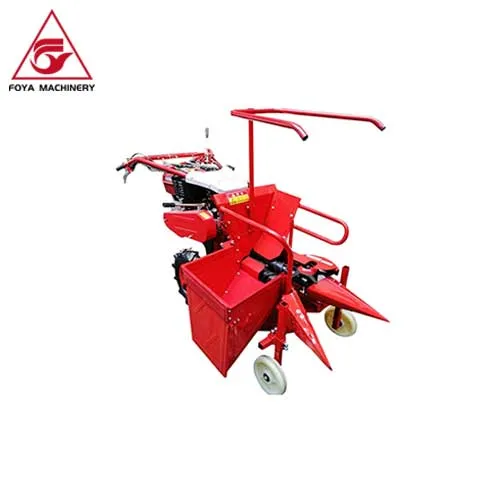
Step 1 — Check the Operator's Manual Spec
The manual is the single source of truth. Look for two numbers on the lubrication page: the viscosity grade (for example 15W-40) and the API / ACEA service category (for example API CJ-4 or CK-4). If the manual is gone, read the small sticker or cast letters near the oil filler cap — most modern engines stamp both requirements there. When neither is available, fall back to a heavy-duty diesel oil meeting at least API CH-4 in a 15W-40 or 10W-30 grade, and confirm with the manufacturer before the next change.
Step 2 — Match Viscosity to Your Climate
Viscosity is how thick the oil is, and it is the most common mistake. A 15W-40 works well from about −10 °C to hot summer harvests, which covers most farms. In very cold regions, a 10W-30 or 5W-40 starts easier on frosty mornings. In hot, heavy-load conditions a 20W-50 offers extra film strength. The trade-off is always cold start versus high-temperature protection.
Engine Oil Viscosity by Climate
| Ambient Temperature | Recommended Grade | Best For |
|---|---|---|
| Below −15 °C (very cold) | 5W-30 / 5W-40 | Winter starts, northern climates, newer engines |
| −15 °C to +25 °C | 10W-30 / 10W-40 | Temperate climates, general farm use |
| −10 °C to +40 °C | 15W-40 | All-season workhorse for most tractors |
| Above +30 °C (hot, heavy load) | 20W-50 | Hot climates, high-hour engines, PTO work |
Step 3 — Choose the Right API / ACEA Category
The API code tells you the oil's quality and additive pack. For modern diesel engines with exhaust after-treatment, use API CK-4 (or CJ-4). For older engines, a lower category is acceptable but never go below what the manual specifies. The additives matter for real farm conditions:
- Detergents keep piston rings from sticking under soot-heavy load
- Dispersants hold soot in suspension so the filter can capture it
- Anti-wear additives (ZDDP) protect camshafts and lifters under high load
- TBN reserve neutralizes the acids that form in diesel combustion and corrode bearings
Step 4 — Conventional vs Synthetic Oil
Both protect an engine that is healthy and at the right spec. Conventional oil is cheap, proven, and perfectly adequate for standard, well-serviced farm engines. Synthetic oil shines where conventional oil struggles: extreme cold, very hot continuous load, turbocharger heat, and long oil-change intervals. If you run a modern turbocharged diesel hard during harvest, synthetic can pay for itself in fewer changes and less wear.
Conventional vs Synthetic Engine Oil
| Property | Conventional | Synthetic |
|---|---|---|
| Cold-start flow | Good | Excellent |
| High-temperature resistance | Good | Excellent |
| Oxidation / sludge resistance | Good | Superior |
| Typical drain interval | 100–200 hours | 200–300+ hours |
| Price per litre | Low | High |
| Best for | Older, lower-hour engines | Turbocharged, extreme climates, long intervals |
Step 5 — Check Capacity and Level the Right Way
Putting in a litre too much is as harmful as running low — it causes foaming, oil starvation and scored bearings. Follow this routine:
- Park on level ground with the engine off for at least five minutes so oil drains back to the sump
- Pull the dipstick, wipe it, re-insert fully, then read the level
- Top up slowly, checking between pours — never fill to the top mark in one go
- Run the engine for a minute, stop, and check again on the dipstick
Step 6 — Set a Realistic Change Interval
The hour meter, not the calendar, decides most oil changes. A machine that sits all winter holds oil fine; a harvester that runs 14-hour days needs oil far sooner. Use the hour-meter, not the date, when the machine is in service.
Suggested Engine Oil Change Interval
| Operating Condition | Conventional Oil | Synthetic Oil |
|---|---|---|
| Light seasonal use | 100–150 hours or 1 season | 150–200 hours or 1 season |
| Normal field work | 150–200 hours | 200–250 hours |
| Heavy / dusty harvest | 100–150 hours | 150–200 hours |
| Turbocharged, high load | 100–150 hours | 200–300 hours |
Step 7 — The 10-Point Oil Change Checklist
Doing the change yourself saves money and catches problems early. Run this checklist every time:
- Warm the engine for a few minutes to thin the old oil, then stop it
- Park level, chock the wheels, and never work under a running or hot machine
- Place a clean catch pan rated for the full capacity
- Remove the sump drain plug and let the old oil drain completely
- Replace the drain plug washer and refit the plug to spec torque
- Remove and replace the oil filter (lubricate the new seal with fresh oil)
- Refill with the correct capacity of the chosen grade — pour in most, then top up
- Start the engine briefly, check for leaks at the plug and filter
- Stop, wait five minutes, re-check the dipstick and top up to the full mark
- Record the hours and date; dispose of used oil at an approved collection point
Choosing the right oil is a habit, not a one-time purchase. Lock the spec into your phone notes, buy a spare filter and a full capacity's worth of oil at the start of the season, and candle the manual next to the fuel can. A few minutes of care now protects the walking tractor that pulls your implements, the mini corn harvester that gets you through harvest, and every engine in between.
Frequently Asked Questions
What engine oil should I use in my agricultural machinery?
Use the oil grade and API category printed in your operator's manual. For most modern diesel farm machines, a heavy-duty oil meeting API CJ-4 or CK-4 in grades 15W-40, 10W-30 or 10W-40 covers warm and cool climates. When the manual is missing, choose a diesel-specific oil above the minimum API spec listed on the oil filler cap.
Can I use car engine oil in a tractor or harvester?
Not recommended. Passenger-car oils are designed for lighter gasoline engines and may lack the soot-handling additives, detergency and wear protection that diesel farm engines need. Always use an oil certified for diesel engines with a suitable API or ACEA category.
What does 15W-40 or 10W-30 mean on the oil label?
The number before the W tells you the oil's cold-weather viscosity (a lower number, like 5W or 10W, flows better in cold starts). The number after the dash is the hot operating viscosity (40 is thicker at running temperature than 30). A multi-grade oil like 15W-40 covers both cold and hot conditions.
How often should I change engine oil in a tractor or harvester?
Follow the manual's hour-meter interval, typically every 100 to 250 operating hours or once a season. For heavy-duty diesel oil (API CJ-4/CK-4) a common interval is around 200 to 250 hours. Also change the oil filter with every oil change and check levels after long storage or a heavy harvest season.
Is synthetic engine oil worth the extra cost for farm machinery?
Synthetic oil resists heat and oxidation better, flows better in cold starts, and often extends drain intervals. It suits modern turbocharged diesel engines and extreme conditions. On older, higher-hour farm engines, conventional oil at the right spec is usually fine and far cheaper.
What happens if I mix different engine oil grades?
Mixing briefly in an emergency is unlikely to cause immediate damage if both oils are diesel-certified, but it dilutes the performance of each and masks the true fill. Do not rely on it: drain and refill with the correct single grade at the next opportunity, and keep the same brand and spec between changes.
Need Engine Oil Specs for Your FOYA Machine?
Not sure which oil your FOYA machine needs? Check the operator's manual that shipped with your unit, or contact our team — we can confirm the recommended viscosity, API category and change interval for your specific model before you buy a single jug.
Browse our agricultural machinery range or get in touch for a personalised recommendation.
Contact us for the right oil and service interval for your FOYA machinery.