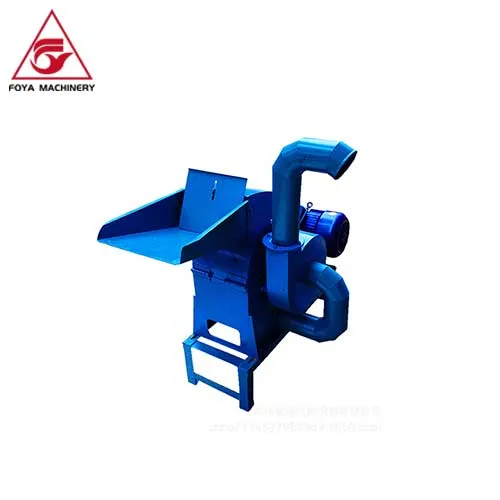
A feed hammer mill is the workhorse of any livestock feed production system. Whether you are grinding corn for poultry, wheat for swine, or soybeans for dairy cattle, the hammer mill determines the particle size, throughput, and energy efficiency of your entire feed operation. Choosing the right machine is not just about matching horsepower — it is about understanding how hammer configuration, screen size, and power source interact to produce the ideal grind for your animals.
This guide covers everything you need to know before buying a feed hammer mill: how the machine works, electric vs PTO-driven models, screen size selection from 1 mm to 10 mm, hammer material types, capacity matching by application, 2026 pricing, and practical buying recommendations for small farms and commercial feed mills alike.
How a Feed Hammer Mill Works
A feed hammer mill reduces particle size by impact — not shearing or crushing. Inside the grinding chamber, a high-speed rotor spins a set of hardened steel hammers. Material enters through a top feed hopper and is struck repeatedly by the hammers until it is small enough to pass through the screen openings at the bottom of the chamber. The screen acts as a sieve: only particles smaller than the screen holes exit the mill, while oversize particles continue to be struck by the hammers until they break down further.
Key components include:
- Rotor assembly — the shaft and hammer carrier that rotates at 3000-4000 rpm
- Hammers — replaceable steel or carbide-tipped impact tools that do the grinding
- Screen — perforated steel sheet with 1-10 mm openings that controls particle size
- Feed hopper — gravity-fed or auger-fed inlet for material entry
- Fan or blower — some models include a fan to pneumatically convey ground material to a cyclone or storage bin
The tip speed of the hammers (typically 80-110 m/s) and the screen hole diameter are the two primary factors controlling final particle size. Higher tip speeds and smaller screens produce finer grinds, while lower speeds and larger screens produce coarser feed.
Electric vs PTO Driven — Which Power Source?
One of the first decisions you will face is whether to choose an electric motor-driven hammer mill or a PTO-driven model powered by your tractor. Each has distinct advantages depending on your farm setup.
| Feature | Electric Motor | PTO Driven |
|---|---|---|
| Power Source | Three-phase or single-phase electricity | Tractor PTO (540 or 1000 rpm) |
| Installation | Fixed installation, needs electrical wiring | Mobile, can move between locations |
| Operating Cost | Lower — electric motors are 85-95% efficient | Higher — tractor engine runs at partial load |
| Noise Level | Moderate — electric motor is quiet | Higher — tractor engine + mill noise |
| Speed Control | Fixed speed (VFD optional for variable speed) | Fixed by PTO rpm / gearbox ratio |
| Best For | Permanent feed mill installations | Mobile/temporary grinding on multiple farms |
For most commercial feed operations, an electric hammer mill is the better choice. It offers lower operating costs, quieter operation, and consistent power delivery. A PTO-driven model makes sense if you need to move the mill between fields or farms, or if you do not have three-phase power available at your feed processing site. Some farmers use a PTO model as a backup to their electric unit.
Screen Size Selection (1-10 mm)
The screen is the most critical component for controlling particle size. Different livestock species and age groups require different feed textures. Selecting the correct screen diameter directly affects feed conversion efficiency and animal performance.
| Screen Opening | Grind Type | Best For | Throughput (kg/h) |
|---|---|---|---|
| 1 - 2 mm | Fine powder | Poultry starter feed, fish feed, piglet creep feed | 500 - 1200 |
| 3 - 4 mm | Medium-fine | Broiler grower feed, layer feed, swine grower | 1000 - 2000 |
| 5 - 6 mm | Medium-coarse | Cattle feed, sheep feed, horse feed | 1500 - 2500 |
| 8 - 10 mm | Coarse grind | Dairy TMR, rough grinding, re-grinding pellets | 2000 - 3000 |
Smaller screens produce finer feed but reduce throughput and increase energy consumption per ton. If you grind multiple feed types, look for a hammer mill with quick-change screen systems that allow you to swap screens in under two minutes without tools. FOYA hammer mills feature a hinged screen frame design for fast screen changes.
Hammer Types — Hardened Steel vs Carbide
Hammers are the wear component of the mill, and their material determines both grinding performance and replacement frequency. Two main types are available:
- Hardened steel hammers — heat-treated alloy steel with hardness of 45-55 HRC. Standard choice for grinding grains like corn, wheat, barley, and sorghum. Cost-effective and serviceable — most can be rotated four times (using all four corners) before replacement.
- Carbide-tipped hammers — tungsten carbide inserts welded to the hammer face. Last 3-5 times longer than hardened steel. Recommended for abrasive materials such as rice hulls, corn cobs, nut shells, mineral additives, and high-fiber biomass. Higher upfront cost but lower cost per ton over the life of the hammer.
For most farms processing standard grains, hardened steel hammers offer the best value. If you regularly grind rice hulls, cassava, or incorporate mineral supplements into your feed, upgrade to carbide-tipped hammers. FOYA hammer mills accept both hammer types, and the balanced rotor design ensures smooth operation regardless of hammer configuration.
Capacity Guide by Application
Matching the hammer mill capacity to your production needs prevents bottlenecks and ensures you get the right machine size the first time.
| Application | Recommended Capacity | Power (kW) | Screen (mm) |
|---|---|---|---|
| Small poultry farm (up to 2000 birds) | 500 - 1000 kg/h | 7.5 - 11 | 2 - 4 |
| Medium mixed livestock farm | 1000 - 2000 kg/h | 15 - 22 | 3 - 6 |
| Commercial feed mill | 2000 - 3000 kg/h | 22 - 30 | 1 - 8 |
| Biomass / coarse grinding | 2000 - 3000 kg/h | 18.5 - 30 | 6 - 10 |
When sizing your hammer mill, consider both your current and projected production volume. A machine running at 75-85% of maximum rated capacity operates most efficiently and leaves room for growth. Oversizing leads to unnecessary capital expense and higher energy consumption at partial loads.
2026 Feed Hammer Mill Price Guide
Feed hammer mill prices vary based on power source, capacity, motor size, and included accessories. The table below shows estimated price ranges for standard configurations in 2026.
| Model Type | Capacity | Power | Price Range (USD) |
|---|---|---|---|
| Small Electric Mill | 500 - 1000 kg/h | 7.5 - 11 kW | $2,500 - $4,500 |
| Medium Electric Mill | 1000 - 2000 kg/h | 15 - 22 kW | $4,500 - $7,000 |
| Large Electric Mill | 2000 - 3000 kg/h | 22 - 30 kW | $7,000 - $10,000 |
| PTO-Driven Mill | 1500 - 3000 kg/h | 30 - 60 HP tractor | $3,000 - $6,500 |
Prices include the hammer mill unit, motor (for electric models), one standard screen, and a set of hammers. Additional screens, carbide-tipped hammer sets, cyclone separators, and auger feed systems are sold separately. FOYA offers factory-direct pricing with global shipping support — contact us for a customized quote based on your specific needs.
Frequently Asked Questions
What is the difference between a hammer mill and a disc mill for feed grinding?
How often should hammer mill screens and hammers be replaced?
Can a feed hammer mill handle wet or high-moisture grain?
What safety features should I look for in a hammer mill?
Ready to Buy a Feed Hammer Mill?
FOYA Machinery offers a complete range of feed hammer mills with electric and PTO drive options, capacities from 500 kg/h to 3000 kg/h, and screen sizes from 1 mm to 10 mm for any feed application. Whether you need a mill for poultry feed, swine rations, cattle TMR, or biomass grinding, our team can recommend the right configuration for your production goals.
Also explore: Feed Hammer Mill product page | Grain Thresher | Feed Pellet Machine