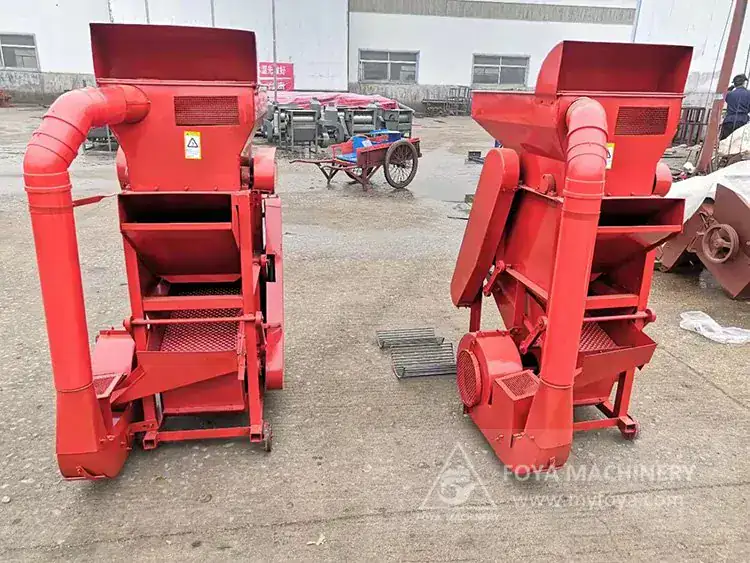
A palm kernel oil press is the heart of any palm kernel processing line — it squeezes the valuable oil out of dried, cracked palm kernels so you can supply food, cosmetic, and industrial buyers. Whether you run a smallholder mill, a village cooperative, or a semi-industrial plant, choosing the right screw press affects your throughput, oil yield, power cost, and the quality of the meal you sell as a by-product. This guide explains how a palm kernel screw press works, the main type differences, capacity and motor sizing, yield expectations, and realistic 2026 pricing.
How a Palm Kernel Screw Press Works
A palm kernel oil press is a continuous screw expeller. Dried kernels are fed into a horizontal or vertical pressing chamber, where a rotating screw (worm shaft) conveys them forward while gradually reducing the volume. As the space between the screw flights and the surrounding cage barrel narrows, extreme pressure crushes the kernels and drives the oil out through the slots between the cage bars. The pressed oil drains away and is filtered, while the remaining solids — the palm kernel cake (PKC) — are pushed out at the end as a meal that can be sold as animal feed.
Key components you should check before buying:
- Screw shaft (worm) — the compression screw that drives and presses the kernels; available in single or twin configurations
- Cage barrel and bars — the slotted pressing chamber; wear-resistant bars determine oil drainage and cake thickness
- Gearbox and motor — provides the low-speed, high-torque turning needed to build pressing pressure
- Cone / choke adjustment — controls back pressure and cake thickness, directly affecting residual oil in the cake
- Heating zones — optional barrel heaters that keep the oil flowing by maintaining temperature
- Oil discharge and filter — catches the pressed oil and removes solids before storage
Single-Screw vs Double-Screw Presses
| Feature | Single-Screw Press | Double-Screw (Twin) Press |
|---|---|---|
| Construction | One worm shaft in a barrel | Two intermeshing shafts |
| Typical Capacity | 0.5-10 t/day | 10-20+ t/day |
| Oil Yield | Good, 85-90% recovery | Slightly higher, 90-92% recovery |
| Residual Cake Oil | 8-12% | 6-9% |
| Ideal User | Small mills, cooperatives | Semi-industrial plants |
| Motor Power | 7.5-30 kW | 22-75 kW |
Most small and medium buyers choose a single-screw press — it is simpler, cheaper to maintain, and easier to adjust. Twin-screw presses are worth the larger investment only when you process 10 tons or more of kernels per day and want the highest oil recovery.
Capacity Sizing and Motor Power
Capacity is the single most important spec. A common mistake is choosing a press that is too big for the daily kernel supply, wasting electricity and capital, or too small and creating a daily backlog. Match the press to your realistic kernels-per-day figure and add about 25% headroom for peak seasons.
| Press Class | Capacity (kernels) | Motor Power | Best For |
|---|---|---|---|
| Compact / tabletop | 0.5-1 t/day | 3-7.5 kW | Smallholders, pilot batch |
| Small single-screw | 1-3 t/day | 7.5-15 kW | Family mills, village groups |
| Medium single-screw | 3-10 t/day | 15-30 kW | Cooperatives, small plants |
| Large / twin-screw | 10-20+ t/day | 30-75 kW | Semi-industrial plants |
If your daily kernel supply fluctuates, choose a press rated at the upper end of your range rather than the middle. A press that runs comfortably below full load uses slightly more power per ton but avoids costly stoppages and unloading queues.
Expected Oil Yield and Cake Quality
| Kernel Moisture | Oil Recovery | Residual Oil in Cake | Notes |
|---|---|---|---|
| Too dry (<5%) | Lower | Higher | Poor oil flow, cake may scorch |
| Optimal (6-8%) | 85-92% | 6-10% | Best yield and cleanest cake |
| Too wet (>10%) | Lower | Variable | Risk of jamming, lower throughput |
Palm kernels contain roughly 45-50% oil. A well-run screw press will recover most of it, leaving a palm kernel cake with 6-12% residual oil that still has good value as livestock feed. Consistent moisture control and correct cone adjustment are the two factors that move your yield the most, so choose a press with easy-to-reach choke adjustment and consider adding a drying/conditioning step before the press.
2026 Palm Kernel Oil Press Price Guide
| Press Class | Capacity | Motor Power | Price Range (USD) |
|---|---|---|---|
| Compact / tabletop | 0.5-1 t/day | 3-7.5 kW | $2,000 - $6,000 |
| Small single-screw | 1-3 t/day | 7.5-15 kW | $8,000 - $18,000 |
| Medium single-screw | 3-10 t/day | 15-30 kW | $18,000 - $40,000 |
| Large / twin-screw + filter | 10-20+ t/day | 30-75 kW | $40,000 - $80,000 |
Prices are FOB estimates for 2026 and vary with brand, cage-bar material (wear-resistant hardened steel costs more), barrel heating, gearbox quality, and whether a filter press and pre-crusher are bundled. FOYA palm kernel oil press plants are engineered for continuous small and medium operation, with hardened screw and cage parts, easy choke adjustment, and factory-direct service including spare parts and worldwide shipping.
Frequently Asked Questions
What is the difference between palm oil and palm kernel oil pressing?
How much does a palm kernel oil press cost in 2026?
What capacity palm kernel oil press do I need for my mill?
What oil extraction yield can I expect from a palm kernel screw press?
What preparation does palm kernel need before pressing?
Ready to Buy a Palm Kernel Oil Press?
FOYA Machinery supplies palm kernel oil press plants from compact 0.5 ton/day units up to 20+ ton/day twin-screw lines, each with hardened cage bars, an adjustable choke, and reliable gearbox drive. Tell us your daily kernel volume, moisture level, and target product grade, and our team will size the right press and motor for your plant — with competitive factory-direct pricing.
Also explore: Palm Kernel Oil Press product page | Feed Pellet Machine | Potato Harvester