Published: June 12, 2026 | By FOYA Machinery
Harvesting potatoes by hand is back-breaking work — a single person can only harvest about 50-100 kg per hour. A good tractor mounted potato harvester can do 3-5 tons per hour, saving you weeks of labor. But with so many types and price points, which one do you actually need? Let's break it down.
At a Glance
- Single Row (1-5 acres): $2,500 - $4,000 — best for small farms
- Multi-Row (5-20 acres): $4,000 - $8,000 — best for medium farms
- Self-Loading (10-50 acres): $6,000 - $12,000 — best for commercial farms
- Typical ROI: Machine pays for itself in 1-2 seasons
Common mistake: Most first-time buyers overestimate the size they need. A single-row harvester on a 5-acre farm works fine if you harvest over a few days. Don't spend extra on a multi-row machine unless your acreage truly demands it.
Single Row vs Multi-Row — Which Fits Your Farm?
The single biggest decision. Here's an honest comparison based on real farmer feedback:
| Factor | Single Row | Multi-Row (2 row) | Self-Loading |
|---|---|---|---|
| Price | $2,500 - $4,000 | $4,000 - $7,000 | $6,000 - $12,000 |
| Tractor Power | 30-50 hp | 50-80 hp | 60-100 hp |
| Harvest Speed | 1-2 tons/hour | 2-4 tons/hour | 3-6 tons/hour |
| Crop Damage | Very low | Low | Low-moderate |
| Soil Type | All types | Loam, sandy | Loam, sandy |
| Extra Labor | 2-3 pickers behind | 3-4 pickers | None (self-loading) |
Real farmer math: "I have 8 acres of potatoes. A single-row harvester at $3,200 paid for itself in 1.5 seasons. I harvest 3-4 tons per day with 2 helpers. Before the machine, it took 8 people 3 weeks." — Miguel, potato farmer in Peru
How to Match a Harvester to Your Tractor
Your tractor's horsepower determines which harvester you can use. Here's a quick reference:
- 25-35 hp tractor: Single-row light harvester (digger-only type)
- 35-50 hp tractor: Single-row full harvester (digger + elevator + separator)
- 50-75 hp tractor: 2-row harvester or single-row with loading elevator
- 75+ hp tractor: Self-loading / self-propelled options open up
Pro tip: Check your tractor's hydraulic flow rate (L/min). Some harvesters need 30-60 L/min for the hydraulic elevator and separator. If your tractor has low flow, you may need a model with a separate engine for the hydraulics.
Key Features That Actually Matter
1. Digging Depth Adjustment
Potatoes grow at different depths depending on soil type and variety. A good harvester lets you adjust digging depth on the fly — from 15cm for sandy soil to 25cm for clay. Fixed-depth harvesters damage more potatoes.
2. Separation System
The best harvesters use a combination of web chains and finger rollers. Web chains shake out loose soil; finger rollers separate clods and stones. Cheap models skip the finger rollers, leaving you to pick stones by hand.
3. Elevator Speed Control
Variable speed lets you slow down for heavy crops and speed up for light ones. Fixed-speed elevators cause bottlenecks in heavy soil conditions.
4. Row Width Adjustment
If you plant at 75cm or 90cm row spacing, the harvester should adjust without tools. Many budget models are fixed-width.
Why adjustable digging depth matters
Dig too shallow and you slice potatoes — reducing yield and inviting rot during storage. Dig too deep and you lift excess soil, slowing the separator and wearing out chains faster. The FOYA potato harvester has tool-free depth adjustment from 15-28cm.
Real Cost Comparison
| Method | Cost per Acre | Labor Needed |
|---|---|---|
| Hand digging | $150 - $250 | 20-30 person-days |
| Single-row harvester | $30 - $50 | 3-4 person-days |
| Multi-row/self-loading | $20 - $40 | 2-3 person-days |
If you farm 5 acres of potatoes, switching from hand to machine saves you $600-$1,000 per season. Over 3 seasons, that's $1,800-$3,000 — enough to pay for a good harvester.
Our Recommendation: FOYA Tractor Mounted Potato Harvester
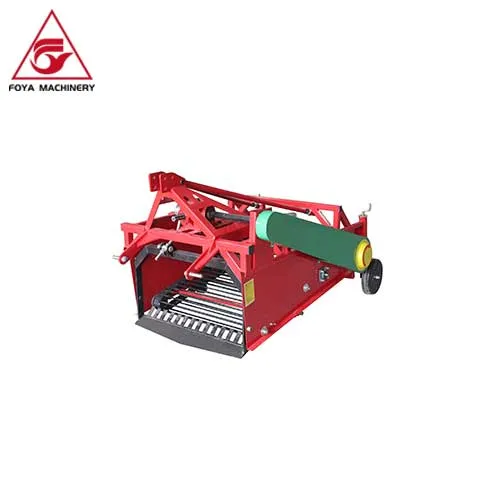
FOYA Tractor Mounted Potato Harvester
- Single row, fits 35-60 hp tractors
- Adjustable digging depth: 15-28cm
- Web chain + finger roller separation
- Variable speed elevator
- Harvest speed: 1.5-2.5 tons/hour
- Low crop damage rate
- 1-year warranty + spare parts kit
FAQ
How much does a potato harvester cost?
Single row tractor mounted harvesters range from $2,500-$4,000. Multi-row models $4,000-$8,000. Self-loading harvesters $6,000-$12,000. Compare the self-loading model if you need a bigger capacity.
What size tractor do I need?
A single-row harvester needs 35-50 hp. For multi-row, 50-80 hp. Check your tractor's PTO power and hydraulic flow rate before buying.
Can it harvest other root crops?
Yes. The same machine can harvest sweet potatoes, carrots, beets, and onions with minor adjustments. Contact us for specific crop setups.
Do you ship worldwide?
Yes. FOYA ships potato harvesters to 30+ countries. We use wooden crates to ensure safe delivery.
Ready to upgrade your potato harvest? Contact us for a quote and machine recommendation based on your farm size and tractor specs.