Looping, tying and hauling loose hay by hand is one of the most labor-hungry jobs on a small farm. A self-propelled square baler changes that: one machine picks up windrowed crop, compresses it into uniform square bales, ties them and ejects them for collection — all powered by its own diesel engine, with no tractor in the picture.
This guide walks you through the purchase decision in plain terms. You will learn how to compare engine power, bale dimensions, pickup width and hourly output, what the realistic prices are, and how to match a machine to your field size and budget without overpaying for capacity you will never use.
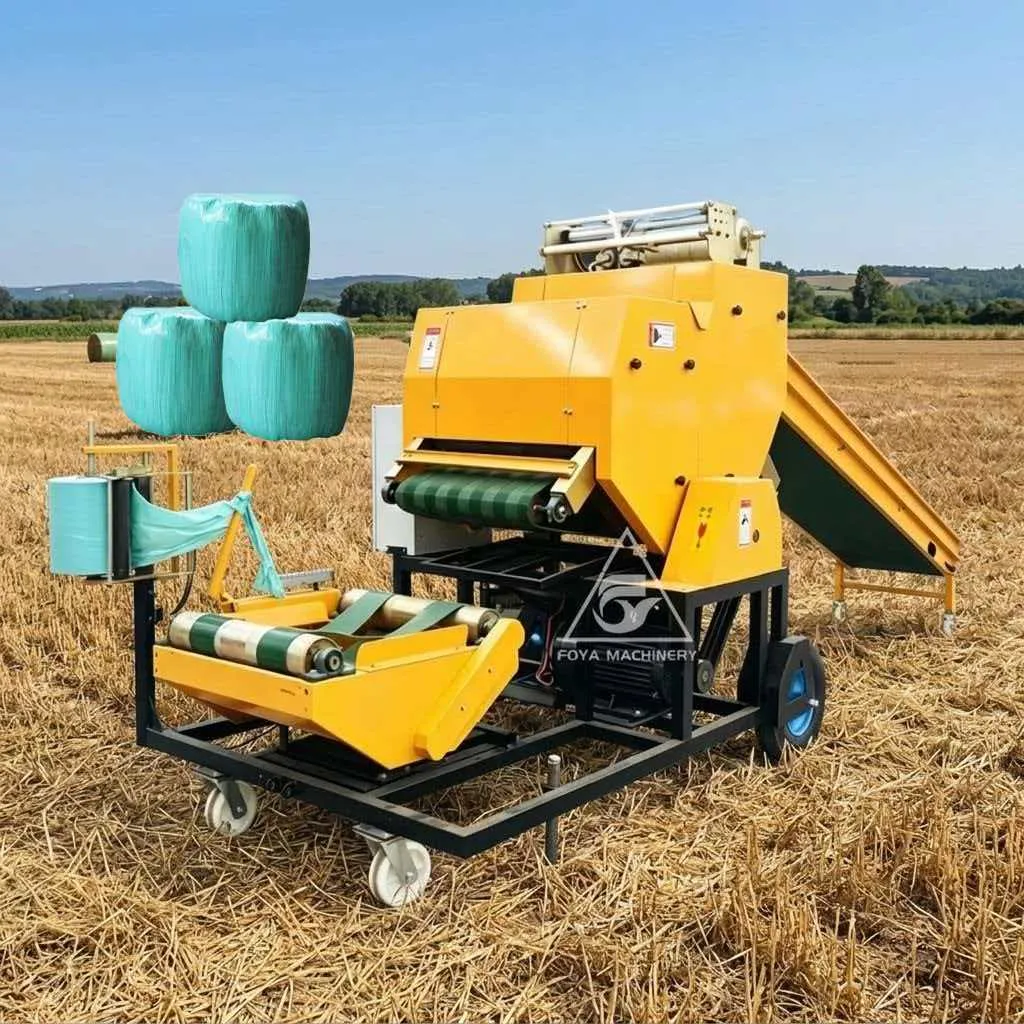
1. Why Go Self-Propelled Instead of Tractor-Drawn?
The single biggest question most buyers face is whether to keep using a tractor PTO baler or switch to a self-propelled unit. The answer depends less on the machine itself and more on your tractor situation and field layout.
| Factor | Tractor PTO Baler | Self-Propelled Baler |
|---|---|---|
| Drive source | Relies on a tractor (1500+ kg to tow) | Own diesel engine (e.g. 18HP) |
| Total investment | Lower if tractor already owned | All-in-one, ~$6k–12k for 18HP |
| Field suitability | Open, flat fields with turning space | Compact, uneven or small plots |
| Operator requirement | Needs tractor operator experience | One person, simple hydraulic controls |
| Fuel + wear | Tractor runs all day | Light diesel engine, fuel-efficient |
| Best for | Large flat forage acres | Small to medium farms & tight spaces |
If you already run a tractor and bale wide, flat fields, a PTO baler can still be the economical choice. But if you want a dedicated baling solution, or your fields have headlands and sloping patches where a big rig is awkward, a self-propelled baler simplifies everything. See our self-propelled square baler product page for the full machine view.
2. The Specs That Actually Matter
Manufacturers advertise horsepower and "bales per hour," but those numbers mean little without context. Focus on the five specifications below and you will avoid the most common buying mistakes.
Bale Dimensions & Weight
Square bales from a self-propelled unit typically measure about 300 × 400 × 500 mm and weigh 15–30 kg, with the chamber adjustable to produce slightly denser or larger bales. Smaller, lighter bales are easy for two people to handle and stack by hand. If you plan to sell bales, uniform size and density matter for transport and buyer expectations.
Pickup Width
Pickup width controls how much windrow you capture per pass — essentially your working speed at a given ground speed. Typical self-propelled balers offer 700–900 mm pickup widths. Wider pickups finish a field faster but draw more power and cost more. Match width to the common row spacing of your forage crop.
Hourly Capacity
A mid-range 18 HP self-propelled square baler produces 40–80 bales per hour. At 60 bales/hour and 20 kg per bale, that is roughly 1.2 tonnes of baled forage per hour. That is the "real world" throughput figure you should use for planning, not the theoretical maximum.
Engine Power & Fuel
18HP diesel is the standard class for square balers handling hay, alfalfa, straw and corn stalks on small to medium farms. Diesel delivers the low-end torque baling needs, and fuel consumption stays modest because the engine only runs the pickup and press — not a whole tractor.
Machine Weight & Turning
Expect a machine weight of 800–1100 kg. That weight gives stability for the press force but must stay light enough to avoid rutting wet fields. Ask for the turning radius and ground clearance if your land is damp or bumpy.
3. Capacity Match by Field Size
| Forage Area | Recommended Engine | Pickup Width | Expected Output |
|---|---|---|---|
| Under 5 acres | 12–15 HP | 600–700 mm | 25–40 bales/hr |
| 5–20 acres | 18 HP | 700–900 mm | 40–80 bales/hr |
| 20–40 acres | 18–25 HP | 900+ mm | 70–110 bales/hr |
| Commercial (40+ acres) | Heavy pickup baler / tractor | 1200+ mm | 120+ bales/hr |
4. Cost of Ownership, Real Numbers
Buying is only the first cost. Here is what a typical 18HP self-propelled square baler costs to own over five years:
- Purchase price: ~$6,000–$12,000 (18HP class)
- Fuel: ~$0.80–1.50/hour · ~2,500 hours over 5 years = ~$2,000–3,700
- Maintenance & parts: twine/strapping, knives, bearings = ~$400–700/year
- Operator: one person, versus 2–3 for manual loading
Compare that to buying and running a second tractor (or hiring custom baler crews) and the self-propelled baler frequently pays for itself within two harvest seasons on a small to medium hay operation.
5. The Buying "Shortlist" Checklist
Before you commit, walk through this checklist so you do not miss a spec that will bite you later:
- Can the bale chamber be adjusted for size and density?
- Does the pickup tram cover the widest row spacing in your crop?
- Is the tying mechanism (knotter or auto-tie) easy to thread and adjust?
- Are spare knives, belts, and feeder parts available off the shelf?
- What service network and parts lead time does the supplier offer in your country?
- Does the machine come with a warranty and remote / video support?
- Can the supplier ship, clear customs, and provide a manual in your language?
6. Related Machines in the Same Job
A square baler is usually part of a forage or straw handling line. Depending on what you are baling, companion machines worth checking include the round baler for loose stacks and the straw crushing baler for pre-crushing residue before baling. For feed quality, our silage harvester range handles the grass or maize crops you plan to preserve as silage instead of dry bales.
Frequently Asked Questions
What is a self-propelled square baler?
A self-propelled square baler is a complete baling machine with its own diesel engine that drives pickup, compression and ejection — no tractor is needed to pull or power it. Typical models like the FOYA 18HP unit pick up windrowed material, form dense square bales measuring about 300 × 400 × 500 mm, weigh 15–30 kg per bale, and produce 40–80 bales per hour.
What size square baler do I need?
Match bale size and capacity to your forage area. For fields under 5 acres, a 12–15 HP model producing 25–40 bales/hour is enough. For 5–20 acres, an 18 HP machine with 40–80 bales/hour and a 700–900 mm pickup width is the sweet spot. Larger commercial operations over 20 acres should consider heavier pickup balers with 900+ mm pickup widths and higher throughput.
Self-propelled baler vs tractor PTO baler — which is better?
Self-propelled balers are ideal when you don't have a tractor available, need to work in compact or uneven fields, or want one person to complete the whole baling operation. Tractor PTO balers are cheaper per unit of capacity if you already own a tractor. For small to medium hay and straw plots, the self-propelled route usually gives a faster payback.
How many bales per hour can a self-propelled square baler make?
A typical 18HP self-propelled square baler produces 40–80 bales per hour depending on material moisture, windrow density and field speed. At an average of 60 bales/hour and 20 kg per bale, that is roughly 1.2 tonnes of baled forage per hour — enough to keep a 10-acre hay operation on schedule during the drying window.
What materials can a square baler handle?
Square balers handle grass hay, alfalfa, cereal straw, rice straw, and dry corn stalks. For baling to work the crop must be cut and dry (moisture about 12–18% for storage). The FOYA 18HP self-propelled square baler is designed for hay, alfalfa, straw and corn stalk baling on small to medium farms.
How much does a self-propelled square baler cost?
Small self-propelled square balers (12–15 HP) start around $3,000–$6,000. Mid-range 18 HP models with auto pickup typically cost $6,000–$12,000. Prices vary with bale chamber size, pickup width, hydraulic systems and build quality. Contact FOYA via WhatsApp at wa.me/8613027503590 or email mandy@myfoya.com for current factory pricing for your region.
Need Help Choosing a Square Baler?
Tell us your forage area, crop type and budget and the FOYA team will match you to the right self-propelled baler — with factory-direct pricing, spare parts support and worldwide shipping to over 50 countries.
Browse the self-propelled square baler product page for detailed specifications, or get in touch for a personalized recommendation.
Contact us for a self-propelled square baler recommendation matched to your acreage and crop.